Breaking Period Poverty: Menstrual Hygiene Awareness & Sanitary Care in India
Menstruation is a natural biological rhythm experienced by over 350 million women and adolescent girls across India. Yet for decades, deep-seated cultural taboos, social silence, and financial hardship have rendered menstrual health one of the most neglected public health challenges in the developing world. Addressing period poverty is not merely a question of sanitation—it is an indispensable prerequisite for female dignity, educational parity, and gender equality.
The Scope and Consequences of Period Poverty in India
Despite recent progress, millions of women in low-income settlements still face formidable barriers when managing their monthly cycle:
- Reliance on Unsafe Materials: Due to the recurring cost of commercial disposable pads, women often resort to unsterilized cloth rags, ash, dried leaves, or husk. Reusing damp, improperly washed cloths leads to severe reproductive tract infections (RTIs), pelvic inflammatory disease, and long-term cervical vulnerabilities.
- Classroom Absenteeism & Dropouts: One in four adolescent girls in marginalized areas misses between 3 to 5 days of school every month during her period due to a lack of private toilets, running water, and clean pads. Over time, recurring absences result in permanent academic dropouts.
- Social Stigma and Shaming: Menstruating women are often treated as 'impure', secluded to outer rooms, forbidden from touching food or worshipping, and forced to endure shame in complete silence.
Navriseup's Comprehensive Menstrual Health Interventions
At Navriseup India Care Foundation, in ongoing collaboration with specialist partners like Pinkishe Foundation and VKR Pratishthan, our female volunteer corps conducts regular, high-impact menstrual hygiene drives across Mumbai, Thane, and rural Maharashtra:
1. Dignified Awareness & Taboo-Busting Sessions
Real change begins with honest conversation. Our female doctors and community leaders organize safe, women-only community circles in localities like Kandivali, Ghatkopar, Vidhyavihar, and Thane. These workshops demystify reproductive biology, explain ovulation and hormonal cycles, correct myths around dietary restrictions, and teach safe hygiene maintenance.
2. Free Distribution of Quality Sanitary Napkins
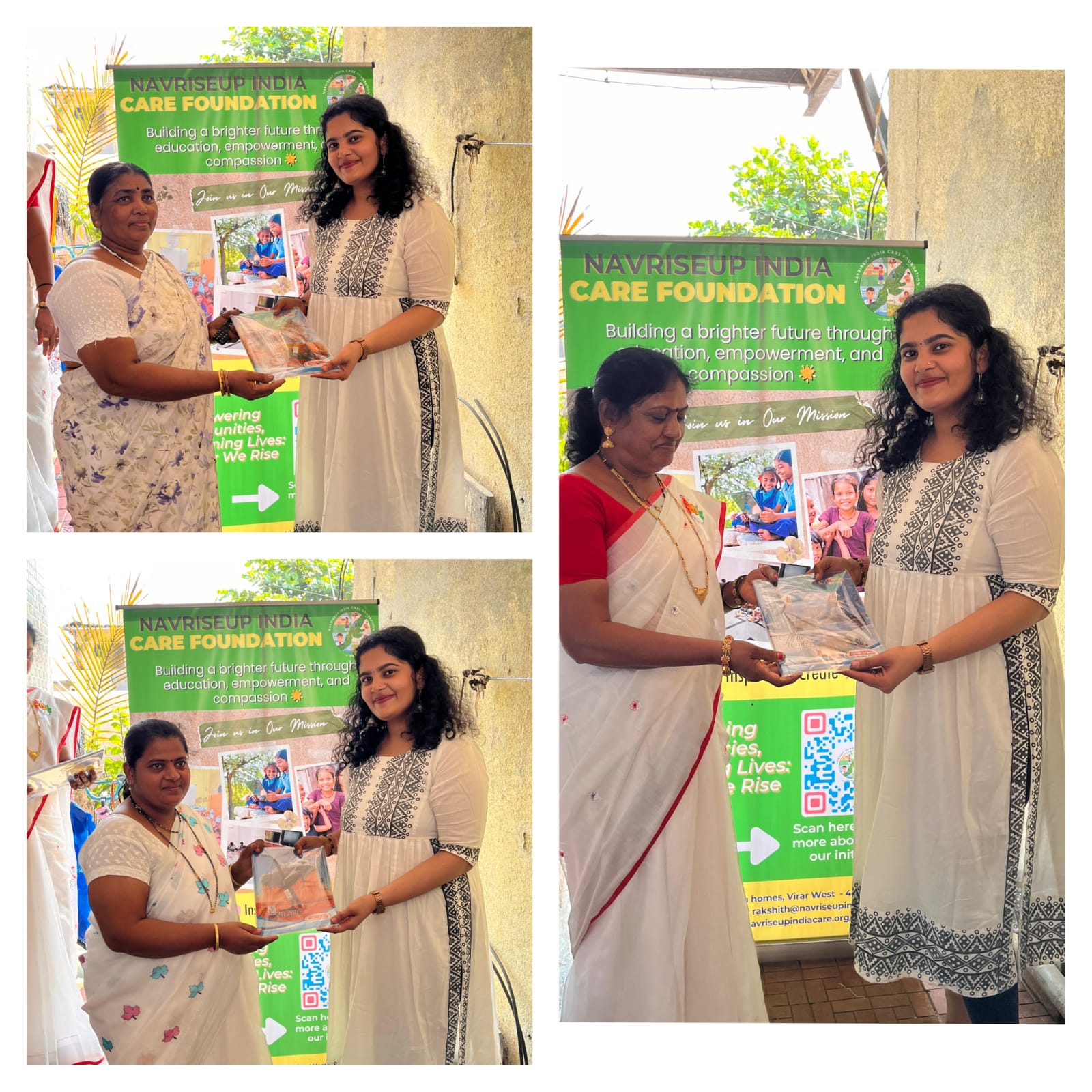
Education must be backed by tangible resources. At every workshop, each participant receives multi-month supplies of high-absorbency, skin-friendly sanitary napkins. In our landmark drives, we have distributed sanitary pads and dignity kits to over 500 women on International Women's Day and hundreds of participants in targeted community camps.
3. Adolescent Health in Government Schools
Visiting Zilla Parishad and municipal schools, our teams conduct interactive menstrual health orientations for teenage girls entering menarche. By answering questions that mothers and teachers are often too embarrassed to discuss, we give young girls the confidence to manage their periods without fear or interruption to their schooling.
4. Eco-Friendly Disposal & Sanitation Infrastructure
Disposing of menstrual waste in slum clusters with limited municipal waste collection poses major environmental hazards. Our drives teach safe disposal practices and advocate for incinerator units and covered bins in community sanitation blocks.
Empowering Women Beyond Menstrual Health
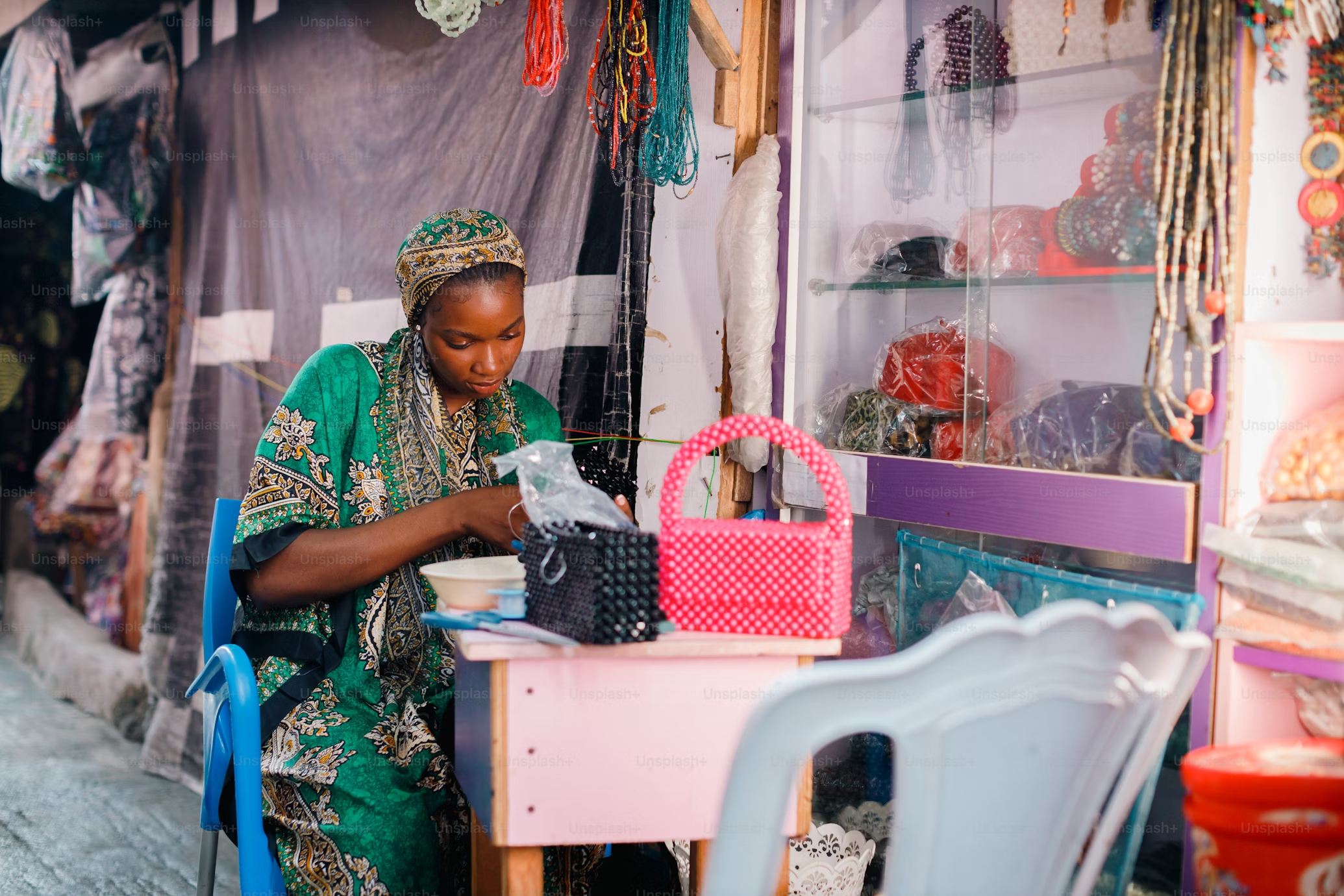
Menstrual dignity is the gateway to broader empowerment. When women no longer fear monthly leaks or debilitating infections, they participate fully in employment, vocational training programs, and community leadership. Menstrual hygiene drives also serve as trusting entry points to connect women with our vocational tailoring schools and micro-enterprise courses.
How You Can Help End Period Poverty
Together, we can ensure no girl is held back by a natural biological function:
- Sponsor Sanitary Kits: Fund monthly sanitary napkins for girls and women in low-income settlements through 80G tax-exempt contributions on our Donation Gateway.
- Volunteer for School Outreach: Educate adolescent girls and coordinate community distribution drives via our Volunteer Portal.
- Corporate Menstrual CSR: Align your corporate CSR initiatives with UN SDG 3 (Good Health and Well-being) and SDG 5 (Gender Equality) through our Corporate Partnerships Page.
- Break the Silence: Talk openly about menstrual health with friends, family, and colleagues to shatter generational stigmas.
Explore our active campaigns on our Causes Page or reach out directly to our team via our Contact Us page.