Transforming Slum Education in India: How Community Classrooms Break Poverty Cycles
In India's rapidly growing urban hubs, millions of children residing in informal settlements and slums encounter severe educational hurdles. Despite constitutional guarantees under the Right to Education (RTE) Act, socio-economic barriers, lack of learning infrastructure, and generational poverty often lead to premature school dropouts and severe literacy gaps.
Key Challenges Faced by Underprivileged Children in Urban Slums
Children in urban slum clusters encounter multi-layered barriers to educational attainment:
- Financial Constraints: Inability to afford uniforms, books, stationery, and school bags forces many children into informal child labor or domestic responsibilities.
- Learning Deficits: First-generation learners often lack academic support at home, falling behind grade-level competencies in reading, writing, and basic mathematics.
- Malnutrition & Health Issues: Inadequate nutrition directly impairs cognitive focus and causes frequent absenteeism.
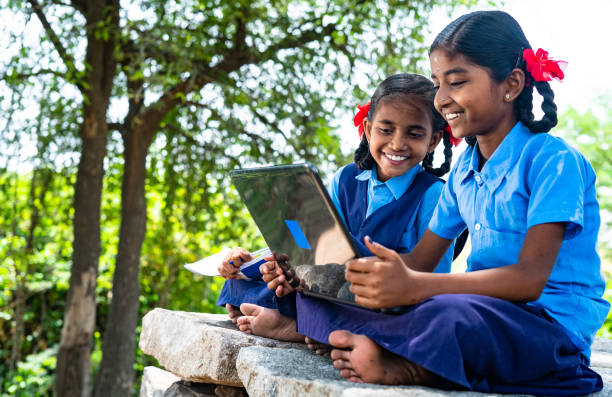
- Digital Divide: Modern pedagogical tools increasingly depend on digital connectivity, an inaccessible luxury for low-income households.
The Grassroots Solution: Community Learning Centers
To address these systemic barriers, non-governmental organizations like Navriseup India Care Foundation have established dedicated localized learning hubs—such as our flagship initiative "Chhoti Si Asha" (Small Hope).
1. Foundational Literacy and Numeracy (FLN)
Community classrooms focus on interactive, remedial coaching that bridges comprehension gaps. Through gamified learning modules, phonics sessions, and individual mentorship, children attain fundamental literacy and numeracy skills.
2. Distribution of School Kits and Learning Material
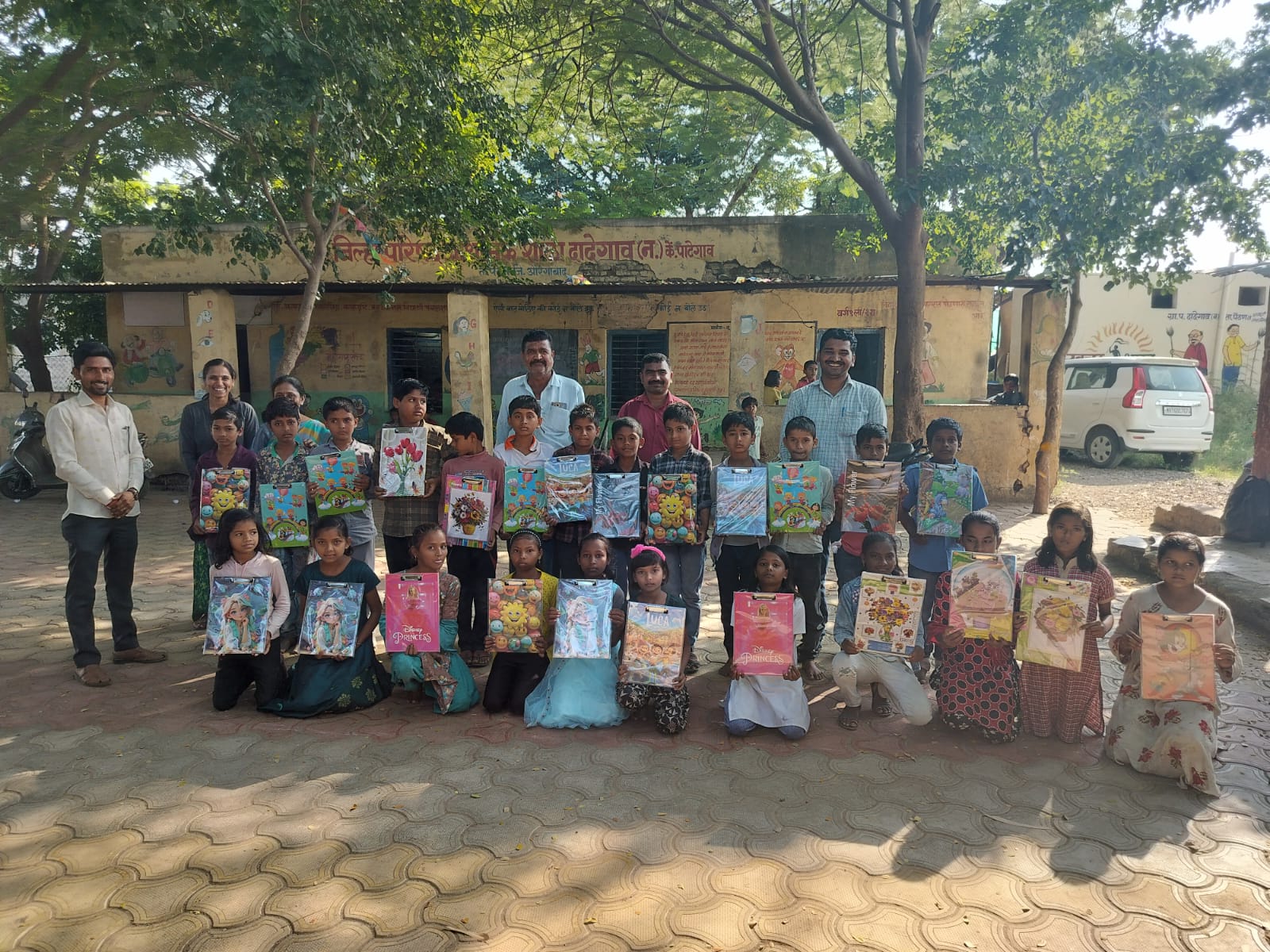
Through dedicated donor support and CSR partnerships, Navriseup regularly distributes comprehensive study kits comprising backpacks, notebooks, writing instruments, drawing materials, and hygienic lunchboxes to ensure no child attends school unprepared.
3. Holistic Development Beyond Textbooks
True empowerment extends beyond rote memorization. Community education programs incorporate sports coaching, cultural arts, spoken English workshops, and life skills mentoring, fostering self-esteem and resilience.
How Slum Education Directly Breaks the Generational Poverty Cycle
Empirical evidence consistently shows that every additional year of primary schooling increases an individual's future earning potential by 10% to 20%. By supporting slum children through continuous schooling and secondary education retention, non-profits facilitate the transition of entire families out of multi-generational poverty.
How You Can Get Involved
Transforming children's lives requires collaborative community action. You can participate by:
- Volunteering as a Tutor: Share your knowledge by dedicating a few hours each weekend at our community learning centers. Sign up via our Volunteer Portal.
- Sponsoring a Child's Education: Your tax-deductible donation covers complete educational kits and academic coaching. Contribute securely through our Donation Page.
- Corporate CSR Partnerships: Partner with us to fund educational infrastructure under Section 135 CSR mandates. Learn more on our Partnership Page.