Combating Child Hunger & Malnutrition: How Nutrition Drives Uplift Slum Communities
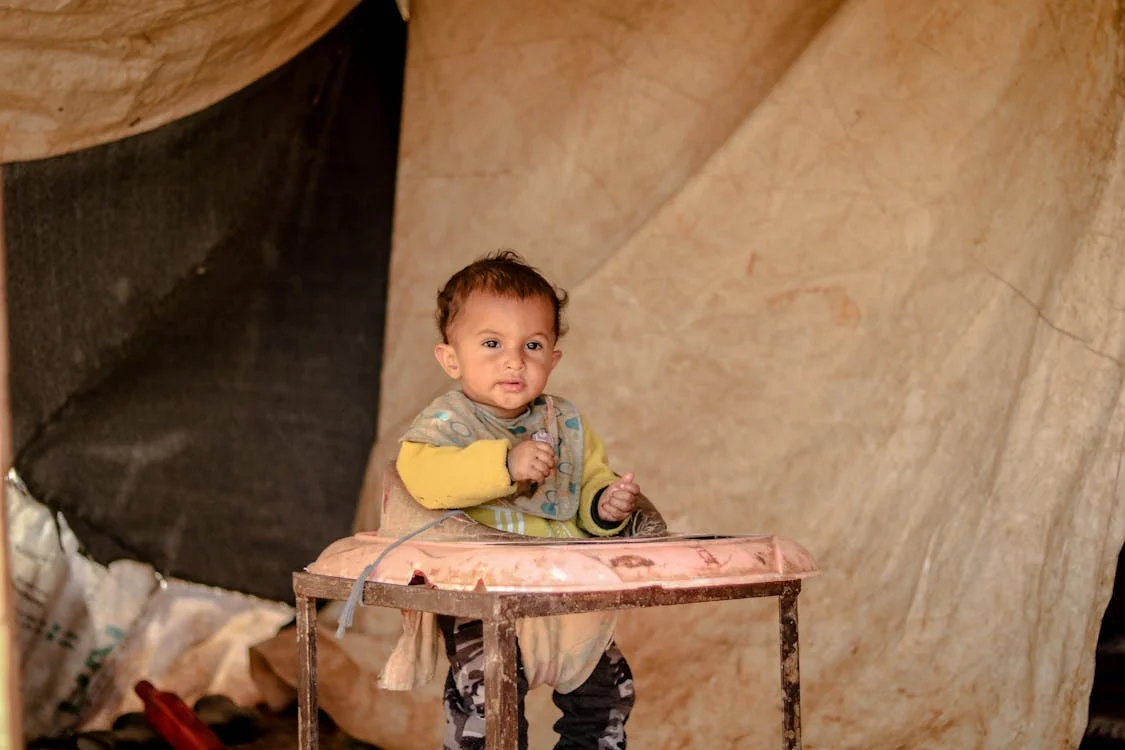
Childhood is the foundational window of physical, cognitive, and emotional development. Yet across India, millions of children wake up to empty bellies. Chronic food insecurity and hidden hunger not only jeopardize immediate survival but stunt long-term brain development, immune capacity, and future potential. Non-governmental organizations play a mission-critical role in bridging this nutrition divide through targeted community feeding drives and balanced ration distribution.
Understanding the Scale of Malnutrition in India
According to the National Family Health Survey (NFHS-5), over 35% of Indian children under five years of age suffer from stunting (low height for age), and nearly 19% experience wasting (low weight for height). In crowded urban settlements, children from daily-wage worker households often subsist on nutrient-deficient, high-carbohydrate filler meals devoid of essential proteins, iron, calcium, and vitamins.
When children are undernourished, their bodies cannot fight simple infections. In schools, hunger creates fatigue, diminished attention spans, and high absenteeism, ultimately driving classroom dropouts.
Key Strategies of Navriseup's Nutrition Outreach
At Navriseup India Care Foundation, our Feed Hope initiative tackles child hunger at the root level through holistic, dignity-centered programs:
1. Daily Wholesome Meal Distribution
In partnership with community leaders and local self-help groups, we provide fresh, piping-hot meals rich in lentils, whole grains, seasonal vegetables, and eggs/paneer. These meals deliver the required caloric and protein density for growing bodies, giving children the energy to study and play.
2. School-Hour Nutritional Snacking
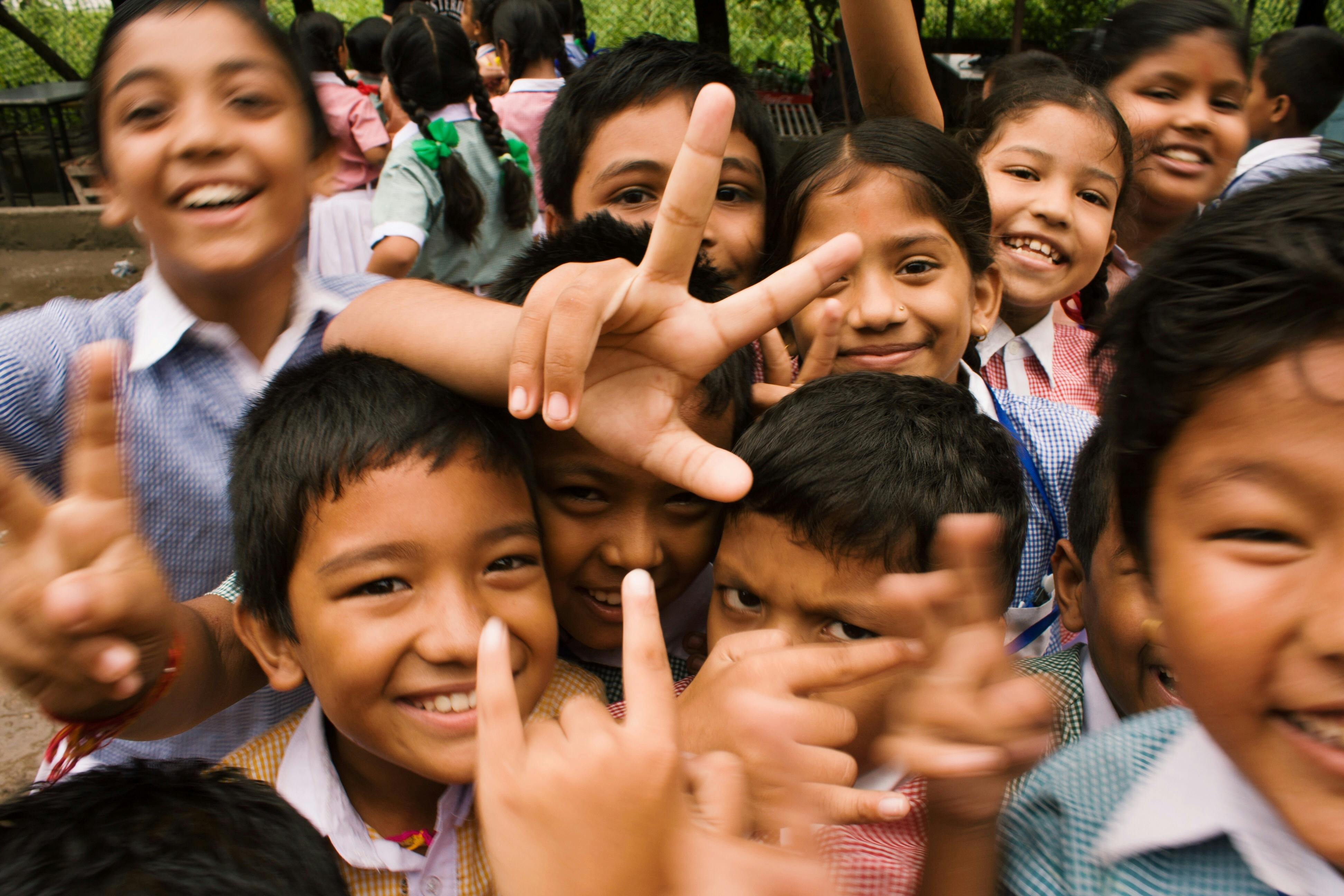
For children attending non-formal slum learning centers and municipal schools, we supply fortified snacks—including roasted chickpeas (chana), jaggery, fresh bananas, boiled eggs, and milk packets. Providing reliable food at learning centers acts as a double catalyst: encouraging parents to send children to school rather than into child labor, and keeping children energized during lessons.
3. Emergency Dry-Ration Kits for Vulnerable Households
During monsoon floods, seasonal unemployment, or economic hardships, family ration security collapses first. We distribute monthly dry-ration hampers containing wheat flour (atta), rice, pulses (dal), iodized salt, cooking oil, and immunity-boosting spices to single-mother and migrant laborer households, ensuring that families do not skip meals.
4. Growth Monitoring and Micronutrient Supplementation
Food quantity alone is insufficient without micronutrient quality. Alongside meal drives, our healthcare volunteers conduct height-weight screenings, identify Severe Acute Malnutrition (SAM) cases, and distribute pediatric iron-folic acid syrups and vitamin-A drops under medical guidance to counter widespread anemia.
The Ripple Effect: How Nutrition Transforms Communities
A well-fed child is an empowered child. Evidence consistently shows that community nutrition interventions yield dramatic social returns:
- Improved Cognitive Outcomes: Adequate nutrition in early childhood sharpens focus, accelerates literacy acquisition, and enhances academic retention.
- Reduced Healthcare Costs: Stronger immune systems drastically lower the frequency of diarrhea, pneumonia, and hospitalization expenses for poor families.
- Gender Equality in Diet: In many impoverished families, girls eat last and least. Community feeding centers ensure equal, dignified meal portions for young girls.
How You Can Support the Feed Hope Campaign
Zero hunger is an achievable goal when caring citizens take action together:
- Sponsor a Child's Monthly Meals: For less than the cost of a casual dinner out, you can fund a month of wholesome lunches for an underprivileged child.
- Contribute Ration Kits: Support our monthly pantry drives for destitute slum families through tax-deductible contributions on our Online Donation Gateway (eligible for 50% deduction under Section 80G).
- Volunteer at Feeding Camps: Help cook, pack, and distribute hot meals in local communities by signing up via our Volunteer Portal.
- Partner as a Corporate Sponsor: Align your CSR funding with United Nations Sustainable Development Goal 2 (Zero Hunger) through our Corporate Partnerships Page.
Discover our active humanitarian drives by checking our Causes Page or connecting directly with our coordinators on our Contact Us page.